Parent dream symbol
Life event dreamsWedding Dream Meaning
Commitment, Union, Transition, Public Promises, And The Joining Of Different Parts Of Life.
Core symbol
General meaning
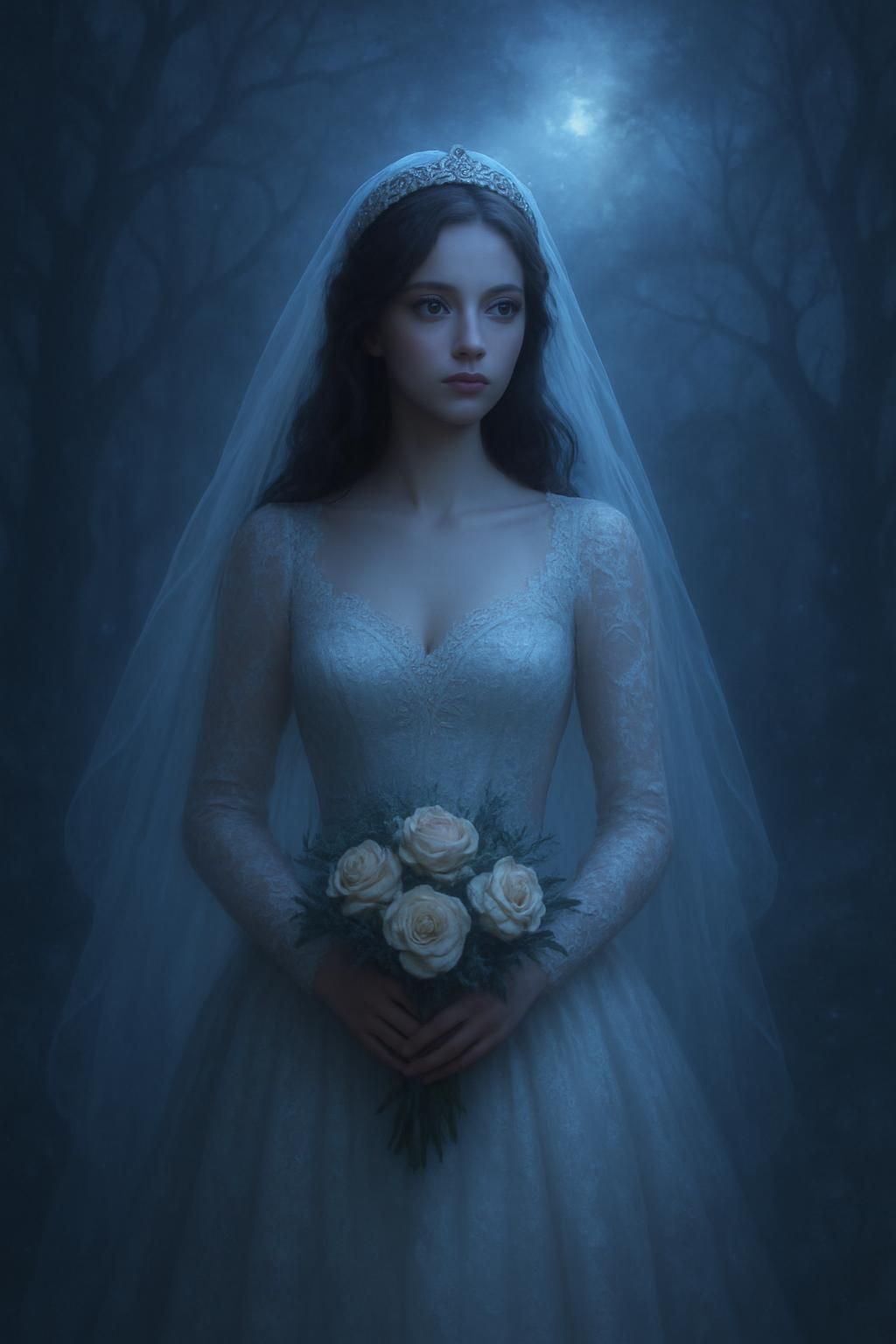
Wedding dreams have a reputation problem: engaged dreamers expect happy previews and instead get disasters — missing dresses, absent grooms, collapsing venues, guests who object. Relax: studies of pre-wedding dreamers find anxiety scenarios are the norm, not the omen. Dreamed about this? Write the dream in your journal and get an interpretation right away. A wedding is the rare life event that is simultaneously a love story, a public performance, a legal contract, and an identity change, and dreams rehearse the parts that can fail — which is to say, the parts you're responsible for.
For everyone not planning a wedding, the dream is about commitment in the abstract: the psyche uses marriage as its strongest image for binding choice. Dream-weddings attend job offers, house purchases, business partnerships, religious conversions, even diagnoses — anything that reorganizes life around a vow. The dream's cast list is the tell: who you marry (a stranger, an ex, your actual partner, someone baffling), who attends, and who objects usually translates the commitment in question with very little effort.
Establish which wedding it is. Actually engaged? The dream is processing your wedding — anxiety versions included and expected. Not engaged? Find the vow: what in your life is asking for binding commitment — a person, job, city, path? The spouse-figure personifies it, which is why marrying a stranger is common and not alarming: the stranger is the not-yet-known life you're contracting with. Marrying an ex reruns old commitment questions; marrying your actual partner while unmarried is often a trial fitting.
Then read the ceremony's mechanics, because each failure mode is a distinct worry: the missing dress or suit is readiness (do I have what this role requires?); the absent partner, doubt about the other party's commitment; your own flight from the altar, your doubt, voiced by your legs; objections from the pews, disapproval you're bracing for — note whose voice; and the ceremony that keeps being postponed by absurd obstacles usually mirrors a real decision similarly stuck in preliminaries.
Common scenarios
Everything Going Wrong on the Day
The standard pre-wedding dream and statistically the expected one: performance anxiety plus commitment gravity, rehearsed in costume. The specific failure is the useful part — dress (readiness), venue (the setting of your new life), officiant (legitimacy), catering (provision) — each names a real checklist item, practical or emotional.
Marrying a Stranger
Commitment to the not-yet-known: a new life, role, or path personified. The stranger's demeanor is the dream's forecast of your relationship with the unknown thing — kind, cold, faceless, oddly familiar. Frequently reported before relocations, career changes, and conversions; rarely about an actual future spouse.
Your Partner Missing From the Ceremony
Doubt about the other party's commitment — to the wedding if you're engaged, to the shared future in general if not. Sometimes the absent figure isn't the partner but what they represent: a co-founder, a collaborator, a promise-maker whose follow-through you're quietly auditing.
Running From the Altar
Your own doubt, given legs: some binding choice is approaching faster than your consent. Worth respecting rather than suppressing — not as a verdict against the commitment, but as a request for the conversation or condition that would make the vow honest.
Attending an Ex's Wedding (or Marrying Your Ex)
Old commitment questions reopened for review: attending marks acceptance work (watching that chapter close in formal dress); marrying the ex reruns the original question — usually because a current choice rhymes with it. Both cluster around new relationships reaching decision points.
A Wedding Where You Can't Find Your Place
Belonging anxiety in ceremonial dress: a family, community, or couple's world reorganizing around a commitment, with your seat unassigned. Common in parents of marrying children, close friends of the newly engaged, and anyone whose role shrinks when someone else's vow expands.
Long-tail meanings
Common variations of this dream
Your Own Wedding Dream Meaning
A Major Commitment Approaching, Readiness For Union, Or Anxiety About A Binding Choice.
Someone Else'S Wedding Dream Meaning
Witnessing Change In Others, Comparison, Or Your Own Questions About Commitment.
A Wedding Going Wrong Dream Meaning
Doubts About A Commitment, Fear Of Public Failure, Or Pressure Around A Major Decision.
A Wedding Dress Dream Meaning
Identity Within Commitment, Purity Of Intention, Or How You Present A Major Life Choice.
Marrying A Stranger Dream Meaning
Commitment To Something Unknown: A New Role, Path, Or Part Of Yourself Not Yet Understood.
A Runaway Bride Or Groom Dream Meaning
Cold Feet, Avoidance Of Commitment, Or Doubts That Have Not Been Voiced.
The inner mind
Psychological interpretation
The research on engaged dreamers is unusually consistent: pre-wedding dreams skew heavily toward mishap and anxiety — wardrobe failures, wrong venues, missing partners — and interpreters read them as performance rehearsal plus commitment processing, with no correlation to marital outcomes. Clinicians note the dreams often do useful work: they surface specific worries (about in-laws, control of the event, being seen) concretely enough to address awake.
Symbolically, psychology follows Jung here with unusual unanimity: marriage in dreams as integration — the joining of parts of the self, the conscious personality contracting with something previously other. Dream-weddings at life transitions (new careers, recoveries, late-life reinventions) read naturally this way: something is being vowed internally. The disaster variants then become integration anxieties — the fear that the new identity won't fit, won't be accepted, or requires abandoning something at the altar.
Personal meaning
Spiritual interpretation
It's hard to name a tradition that doesn't reach for marriage as its image of the soul's deepest commitments: Israel as God's covenanted bride, the Church as the bride of Christ, the Song of Songs read for centuries as divine love poetry, Sufi poetry's union with the Beloved, the 'urs — literally 'wedding' — celebrated at Sufi saints' deaths as the soul's marriage to God. A dream-wedding sits in this lineage: something in you is being joined, vowed, given.
The spiritual reading of the anxious versions is gentler than dreamers expect: traditions treat the approach to union as properly fearful — veils, thresholds, and trembling are part of the iconography, and the vows are demanding by design. A wedding dream received spiritually asks: what is being asked of me at the level of a vow — not preference, but binding orientation — and is my hesitation at the threshold prudence, unreadiness, or just awe? All three are honorable answers; they call for different next steps.
Faith perspective
Islamic interpretation
Classical interpreters read dream-marriage with attention to context: marriage in a dream can signify what marriage is in life — commitment, provision, and entering a new state — and transmitted readings range from honor and religious completion to, in some circumstances, new responsibilities or trials approaching; marrying an unknown woman or man was sometimes read toward major life change, with details deciding. The tradition treats the dream-nikah, like the real one, as a weighty matter rather than a romance scene.
The frame steadies the anxious versions: marriage in Islam is described as half the deen — a serious mutual covenant (mithaq ghaliz, 'a solemn bond') — so dream-anxiety around a wedding reads naturally as the self weighing a commitment's gravity, which is the appropriate response to gravity. For the actually engaged, the counsel is practical: the dream is rehearsal; istikhara, honest conversation, and preparation address what it rehearses.
Faith perspective
Biblical interpretation
Scripture ends at a wedding — the marriage supper of the Lamb — and spends much of its length inside marital imagery: covenant as marriage, idolatry as adultery, Hosea's whole prophetic life staged as a wedding gone wrong and remade. The Bible's wedding-language is covenant-language: binding promise, witnessed publicly, defining identity thereafter. A wedding dream translates into biblical terms as a covenant question: what am I binding myself to, and before whom?
The Bible even supplies the anxiety dream: the parable of the ten virgins is a wedding-preparedness nightmare in canonical form — lamps, oil, a delayed bridegroom, a shut door — and its point is the dream-genre's point: readiness for the committed moment cannot be borrowed or improvised. A biblical reflection on a wedding dream asks the parable's questions: what does readiness consist of here, and is my oil bought — while noting scripture's tenderness toward wedding joy itself: the first miracle was keeping one going.
Popular questions
People also ask
I'm engaged and keep dreaming the wedding is a disaster. Is it a sign?+
It's a norm, not a sign: studies of engaged dreamers find mishap dreams the standard fare, with no relation to how marriages turn out. The dreams rehearse performance and permanence — the two genuinely big things about the day. Mine them for the checklist items they name, then let them be rehearsal.
What does marrying a stranger mean? It felt so real.+
It's one of the most common wedding dreams and among the least literal: the stranger personifies a commitment whose full nature you can't yet know — a path, place, role, or future self. The felt realness reflects the commitment's genuine weight. How the stranger treated you is your current relationship with the unknown.
I dreamed of my own wedding but I'm single. Does it predict marriage?+
No — wedding dreams track commitment, not courtship. Singles typically have them around binding non-romantic choices: signing for the house, the job with the relocation clause, the decision to stay or leave. If a proposal-shaped choice does exist in your life, the dream is about whether, not when.
Why did I cry at the wedding in my dream?+
Dream-tears at weddings run the full range — grief for the identity being retired, joy at union, mourning at someone else's vow reorganizing your world. Locate whose wedding and what was ending: weddings are endings wearing white, and the tears usually belong to the ending.
What does a wedding dream mean in Islam?+
Transmitted readings treat dream-marriage seriously and contextually — from honor and the completion of half one's deen to new responsibilities approaching, details deciding. For the engaged, it's rehearsal of a solemn covenant; the tradition's tools — istikhara, preparation, good counsel — address exactly what the dream rehearses.
Combined symbols
Combination dreams with wedding
Combination
Dreaming of Wedding and Death
Commitment And Ending Intertwined: An Old Identity Closing As A Binding New Chapter Begins.
Combination
Dreaming of Wedding and Blood
A Commitment Marked By Cost, Sacrifice, Family Tension, Or A Union That Feels Stained By Conflict Or Loss.
Combination
Dreaming of Divorce and Wedding
A Covenant Unmade Beside The Image Of How It Began: Ending And Vow In The Same Night.
Same theme
More Life event dreams
Death Dream Meaning
Endings, Transformation, Grief, Mortality, Release, And The Closing Of An Old Identity.
Baby Dream Meaning
New Beginnings, Vulnerability, Potential, Responsibility, And A Tender Part Of Life That Needs Care.
Pregnancy Dream Meaning
Creation, Development, Anticipation, Responsibility, And Something Important Growing Before It Is Ready To Emerge.
Work Dream Meaning
Duty, Identity, Performance, Security, And The Balance Between Effort And The Rest Of Life.
Twins Dream Meaning
Doubling, Mirroring, Divided Attention, And Two Developments Growing Side By Side.
A Test Dream Meaning
Evaluation, Preparedness, Performance Anxiety, And The Fear Of Being Measured And Found Unfinished.